10 months ago Category :
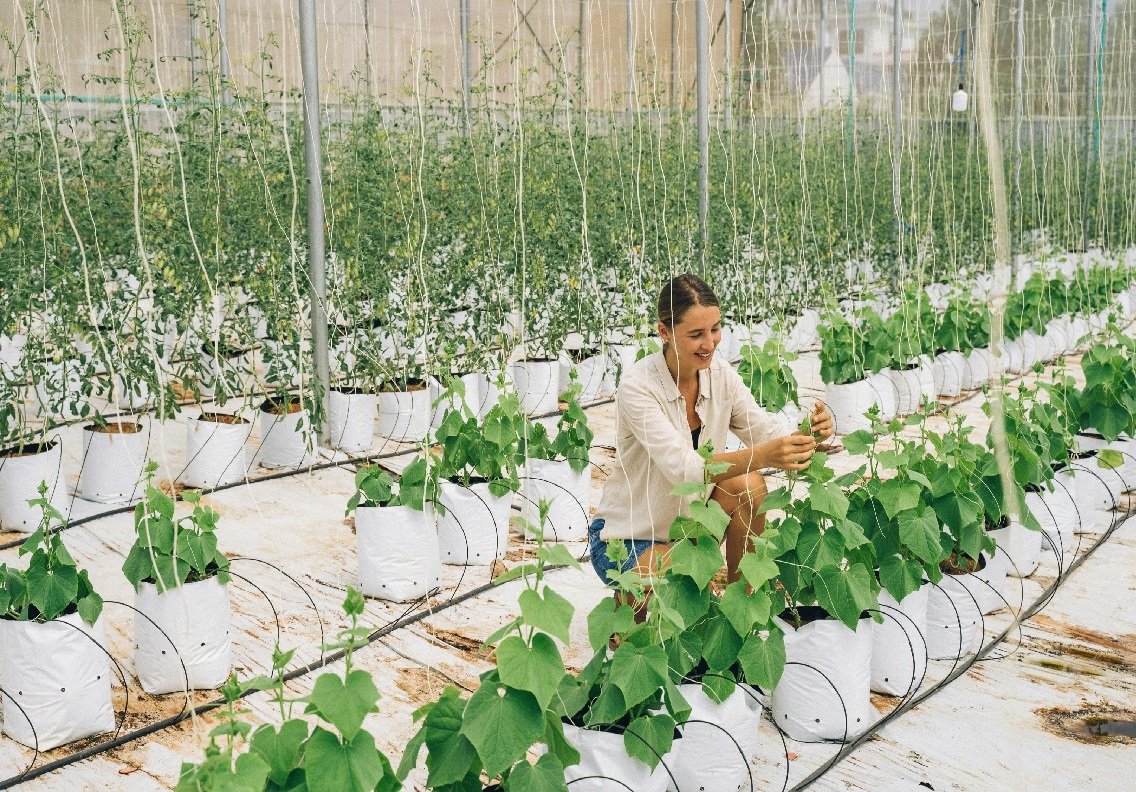
Halal food certification is an important aspect of the food industry in New Zealand, ensuring that products adhere to Islamic dietary laws. This certification is necessary for Muslim consumers who follow strict dietary guidelines based on their religious beliefs.
Read More →10 months ago Category :
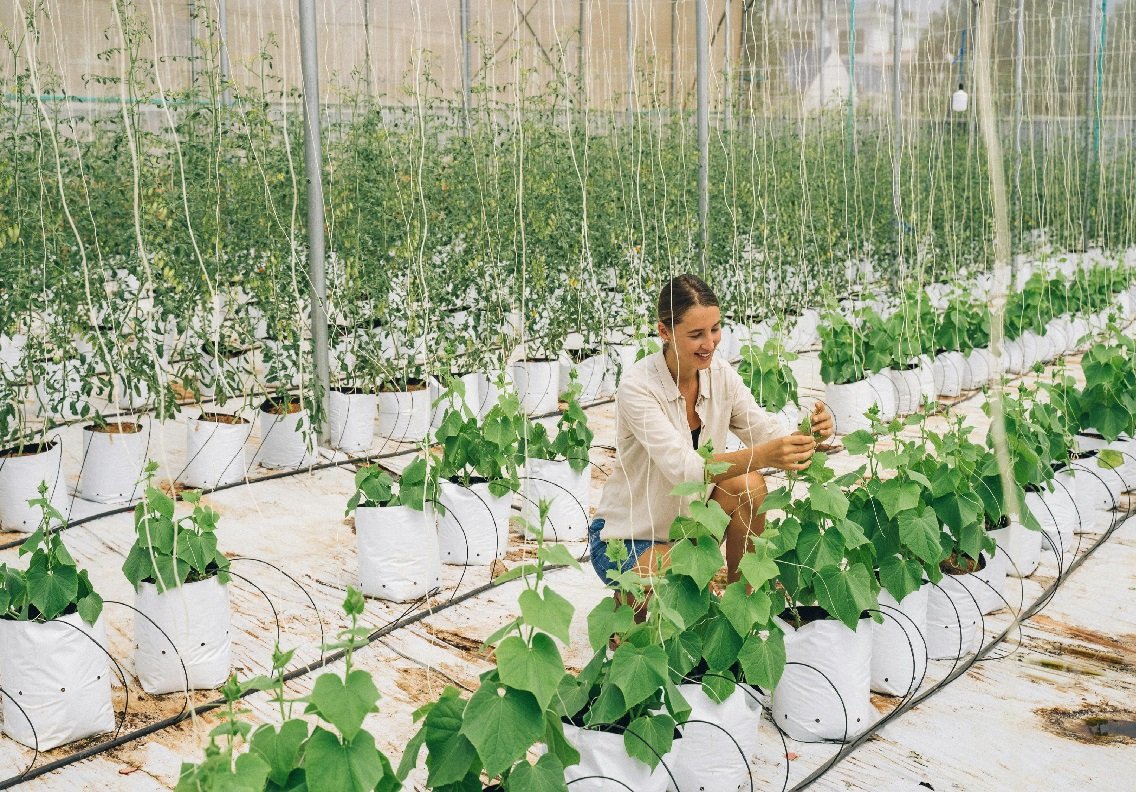
New Zealand is a country known for its picturesque landscapes, rich culture, and delicious culinary offerings. The thriving food industry in New Zealand plays a significant role in the country's economy, with a focus on both exporting and importing a wide range of food products. To ensure the safety and quality of food products entering and leaving the country, New Zealand has stringent regulations in place governing food export and import activities.
Read More →10 months ago Category :
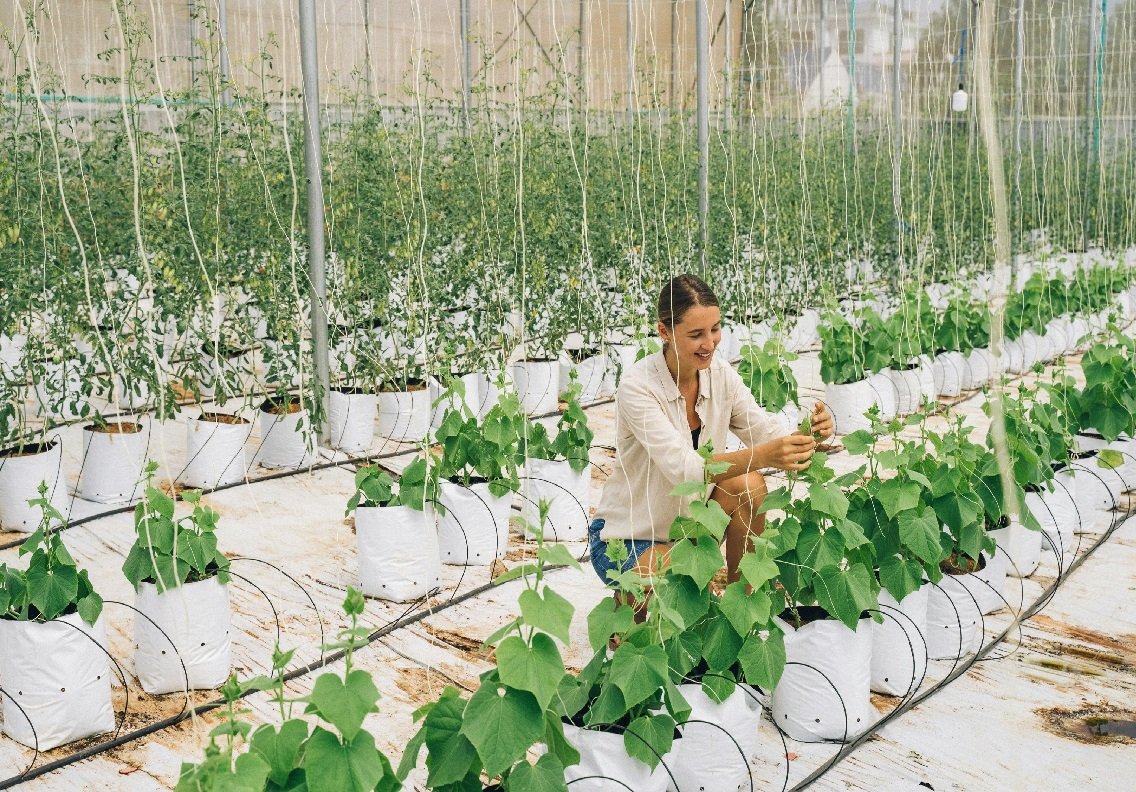
The food and drug regulation in New Zealand is a crucial aspect of ensuring the safety and quality of products available to consumers in the country. The regulatory framework in New Zealand is overseen by several government agencies, including the Ministry for Primary Industries (MPI) and the New Zealand Medicines and Medical Devices Safety Authority (Medsafe). These agencies work together to set and enforce standards for food and drug products to protect public health and safety.
Read More →10 months ago Category :
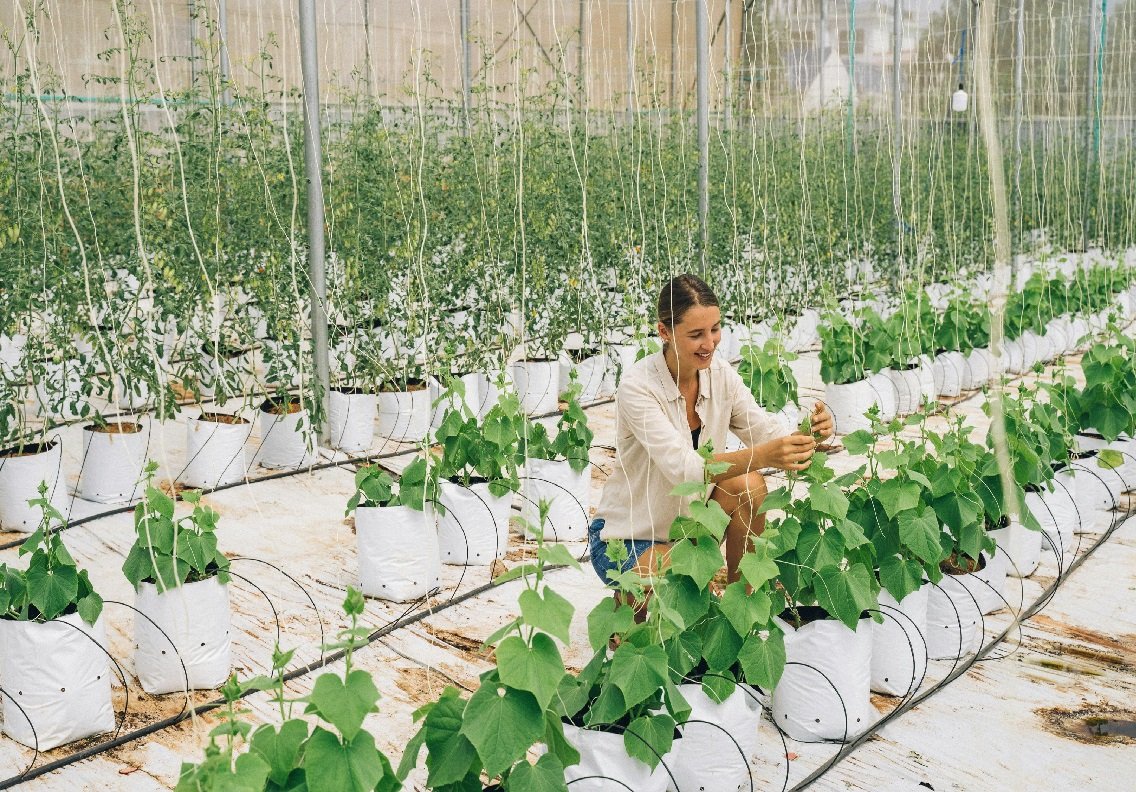
New Zealand Fast Food Offers: A Delectable Delight
Read More →10 months ago Category :
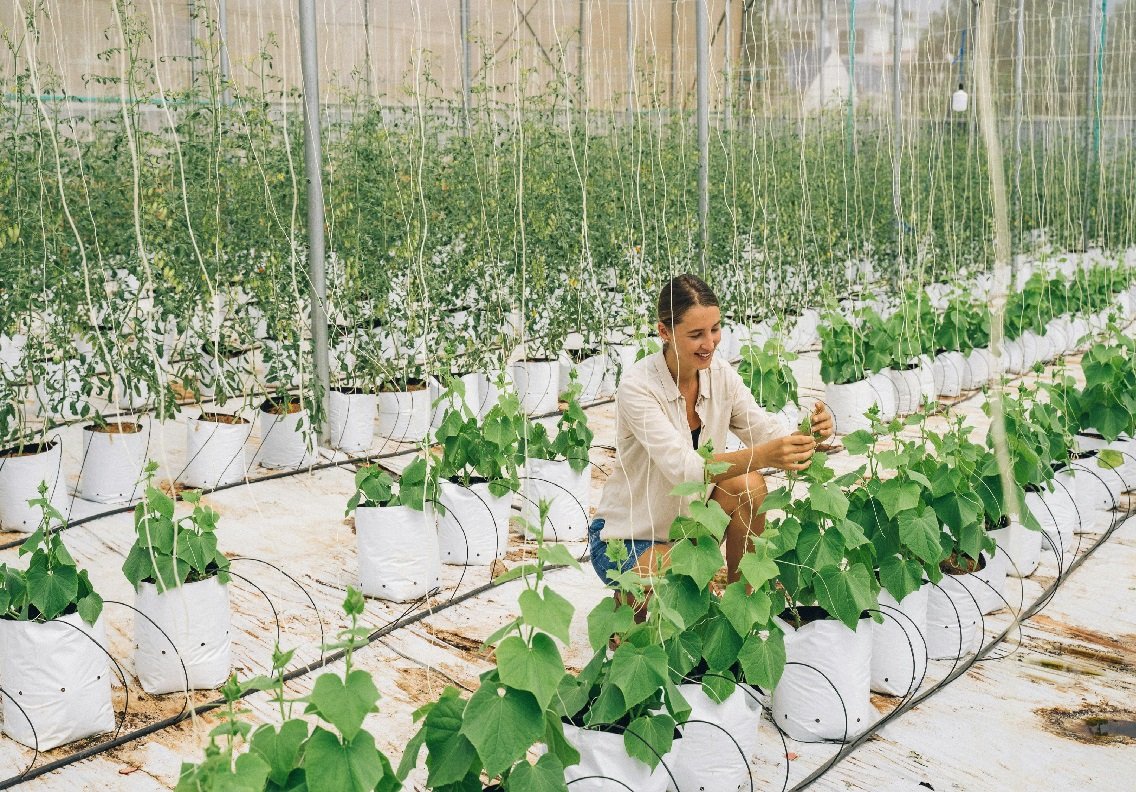
The Convenience of Fast Food Delivery in New Zealand
Read More →10 months ago Category :
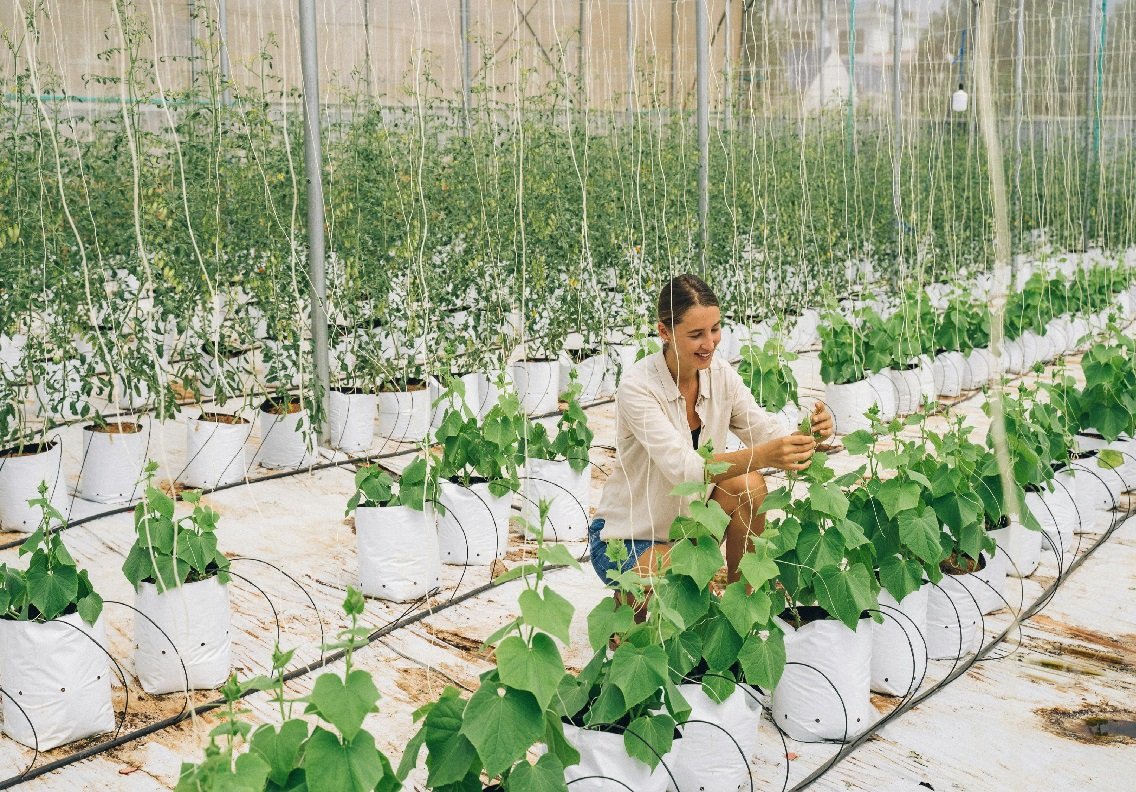
New Zealand Drug and Food Import Control
Read More →10 months ago Category :
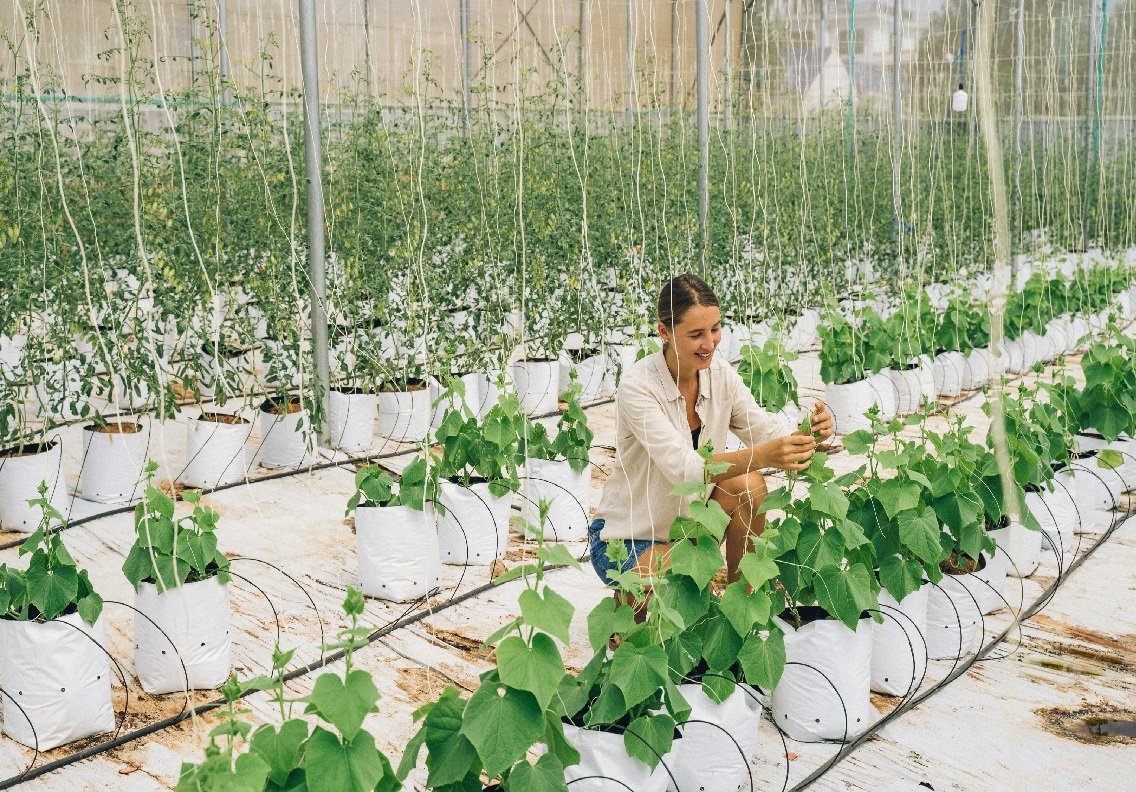
New Zealand Drug and Food Export Control: Ensuring Safety and Compliance
Read More →10 months ago Category :
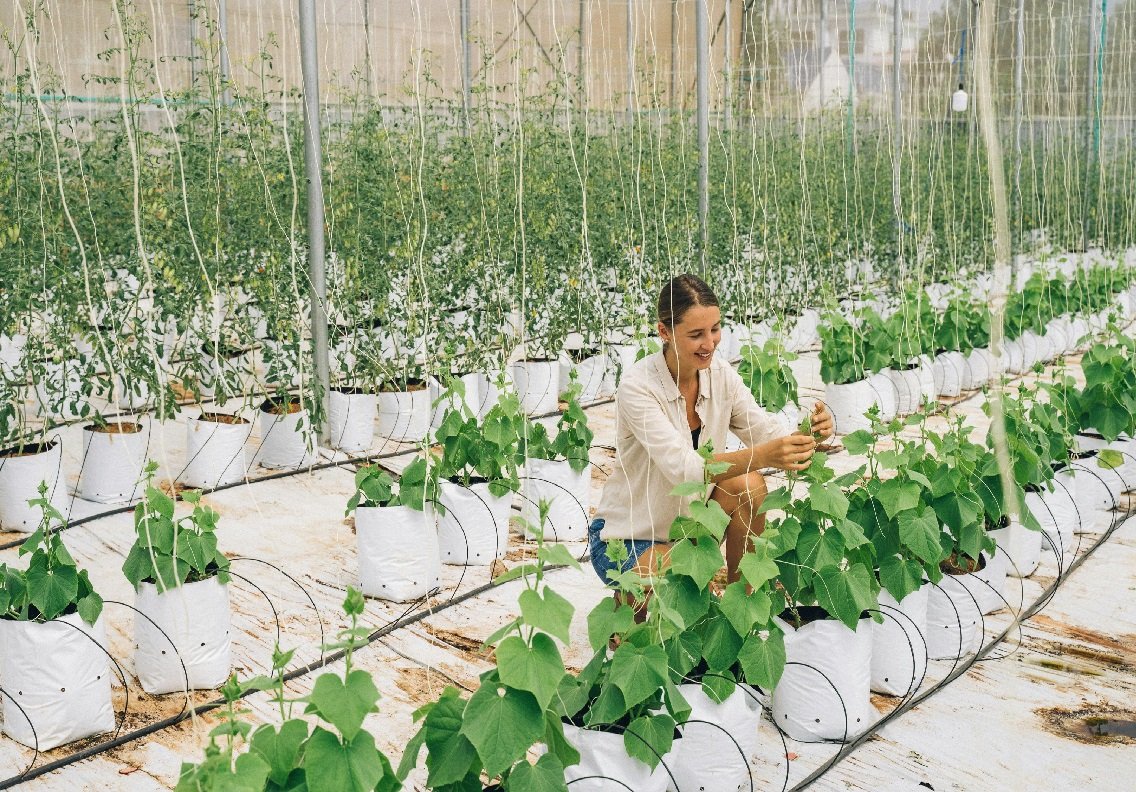
New Zealand Biosecurity Solutions: Protecting the Land of the Long White Cloud
Read More →10 months ago Category :
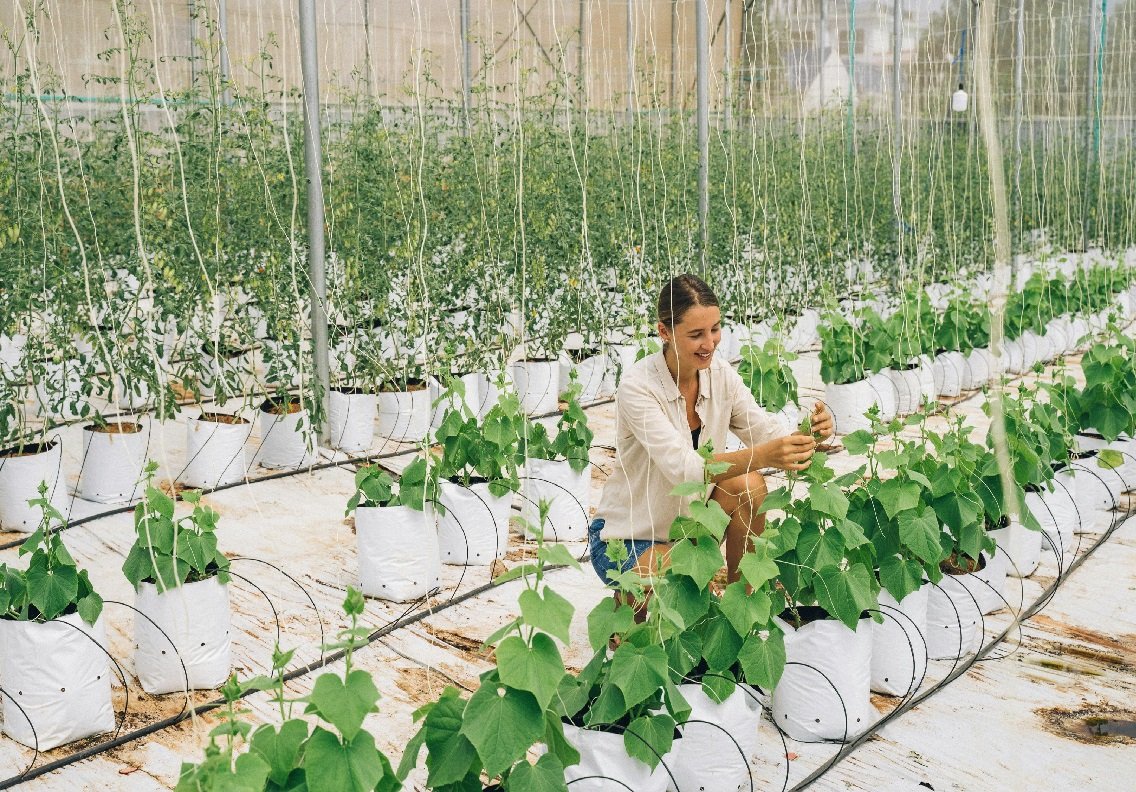
New Zealand is a country known for its stunning landscapes, but did you know that it is also making strides in the production of biomass energy? Biomass energy is a renewable energy source that comes from organic materials such as wood, crop residues, and animal waste. In New Zealand, this form of energy production is gaining traction as the country aims to reduce its reliance on fossil fuels and cut down its carbon emissions.
Read More →10 months ago Category :
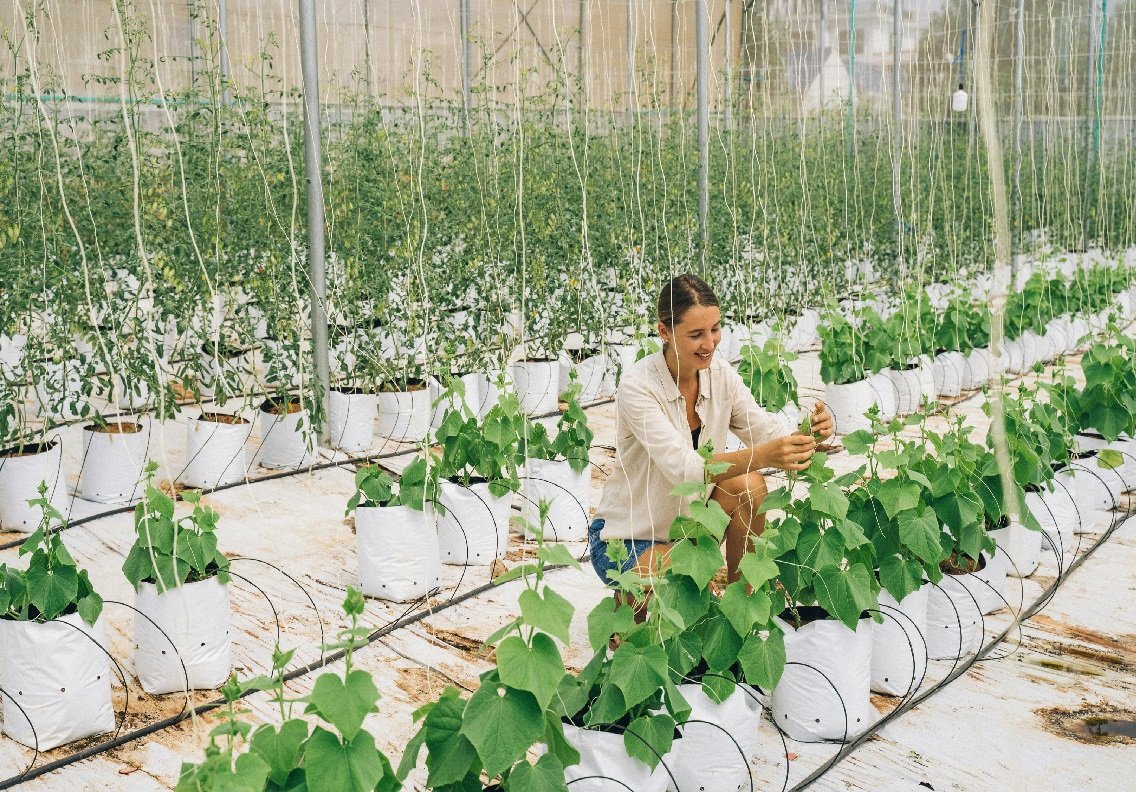
New Zealand is renowned for its stunning landscapes, Maori culture, and warm hospitality. But did you know that it also boasts a diverse and delicious culinary scene? From fresh seafood to delectable desserts, New Zealand offers a wealth of fantastic food recipes that showcase the country's unique flavors and ingredients. Let's explore some of the best food recipes that New Zealand has to offer:
Read More →SEARCH
Recent News
- Zurich, Switzerland has long been known for its exceptional quality of life, beautiful surroundings, and high standard of healthcare. In contrast, the Russian healthcare system has faced various challenges and struggles over the years. Let's delve into the differences between the healthcare systems in Zurich, Switzerland, and Russia.
- Zurich, Switzerland is known for its stunning landscapes, rich history, and vibrant culture. However, another aspect of Zurich that shouldn't be overlooked is its diverse and delicious fast food scene. From traditional Swiss street food to international favorites, there is something to satisfy every craving in Zurich. Let's take a closer look at some of the popular fast food options you can find in this picturesque city.
- Zurich, Switzerland is known for its commitment to sustainability and eco-friendly practices, including the use of organic fertilizers in agriculture. Organic fertilizers are derived from natural sources such as compost, manure, and other plant and animal-based materials. These fertilizers provide essential nutrients to crops without the use of synthetic chemicals, making them safer for the environment and human health.
- Navigating Medical Device Regulations in Zurich, Switzerland
- Zurich, Switzerland is a vibrant city known for its stunning architecture, picturesque landscapes, and diverse culinary scene. While Swiss cuisine certainly holds a special place in the hearts of many locals and visitors, the city also boasts a variety of international dining options, including Latin American food.
- In the bustling city of Zurich, Switzerland, finding healthy fast food options can be a challenge. However, with a little exploration and curiosity, you can discover some fantastic spots that offer nutritious and delicious meals on the go.
- Zurich, Switzerland: Halal Food Certification
- Zurich, Switzerland: A Closer Look at Food Export-Import Regulations