Biomass Energy Production: Harnessing the Power of Coincidence and Chances
Category : | Sub Category : Posted on 2025-11-03 22:25:23
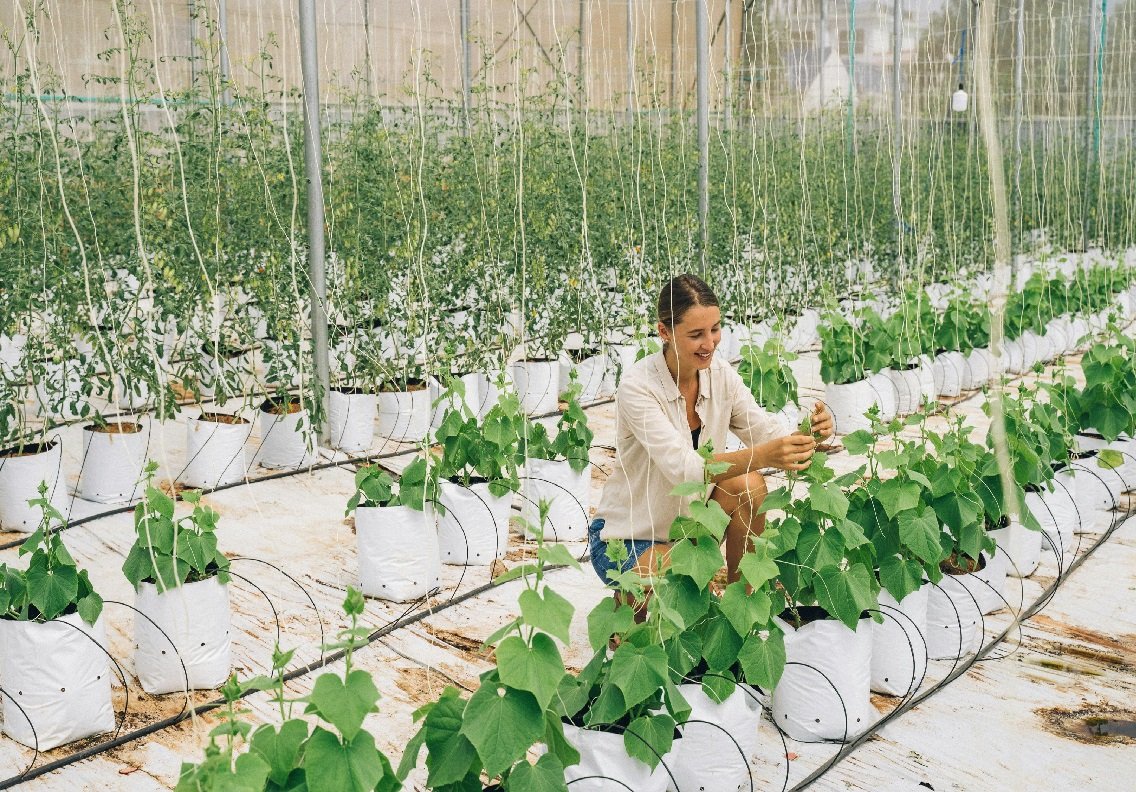
When it comes to renewable energy sources, Biomass holds a key position in the quest for sustainable and eco-friendly solutions. Biomass energy production involves harnessing the energy stored in organic materials such as plants, wood, agricultural residues, and waste to generate power. This method of energy production has gained significant attention in recent years due to its renewable nature and potential to significantly reduce greenhouse gas emissions. One fascinating aspect of biomass energy production is the role of Coincidence and chances in the process. Unlike traditional energy sources like coal or oil, which require specific geological formations and extraction processes, biomass can be found virtually everywhere. The organic materials used in biomass energy production are the result of natural processes such as plant growth, decay, and waste accumulation, which occur as a natural part of the Earth's ecosystem. Coincidence plays a significant role in the availability of biomass materials for energy production. For example, agricultural residues such as corn stalks, wheat straw, and sugarcane bagasse are generated as byproducts of food production processes. These residues would typically be disposed of through burning or decomposition, releasing greenhouse gases into the atmosphere. However, through the coincidence of agriculture and energy production needs, these residues can be collected and used to generate clean energy instead. Chances also play a crucial role in the efficiency and sustainability of biomass energy production. The process of converting biomass materials into energy requires careful planning and technological innovation to ensure maximum energy output and minimal environmental impact. Factors such as feedstock selection, conversion technologies, and energy distribution methods all influence the chances of success in biomass energy production. In recent years, advancements in biomass energy production technology have opened up new opportunities for utilizing a wider range of biomass materials, including algae, waste wood, and municipal solid waste. These developments have expanded the potential for biomass energy production to play a more significant role in meeting global energy demands while reducing reliance on fossil fuels. As we continue to explore alternative energy sources to combat climate change and promote sustainable development, biomass energy production stands out as a promising solution that harnesses the power of coincidence and chances in the natural world. By utilizing organic materials that are abundant and readily available, we can create a cleaner and more sustainable energy future for generations to come. visit: https://www.sunpowerpanels.com For an in-depth analysis, I recommend reading https://www.casualidad.org For a comprehensive review, explore https://www.refueling.net
Leave a Comment:
SEARCH
Recent News
- Zurich, Switzerland has long been known for its exceptional quality of life, beautiful surroundings, and high standard of healthcare. In contrast, the Russian healthcare system has faced various challenges and struggles over the years. Let's delve into the differences between the healthcare systems in Zurich, Switzerland, and Russia.
- Zurich, Switzerland is known for its stunning landscapes, rich history, and vibrant culture. However, another aspect of Zurich that shouldn't be overlooked is its diverse and delicious fast food scene. From traditional Swiss street food to international favorites, there is something to satisfy every craving in Zurich. Let's take a closer look at some of the popular fast food options you can find in this picturesque city.
- Zurich, Switzerland is known for its commitment to sustainability and eco-friendly practices, including the use of organic fertilizers in agriculture. Organic fertilizers are derived from natural sources such as compost, manure, and other plant and animal-based materials. These fertilizers provide essential nutrients to crops without the use of synthetic chemicals, making them safer for the environment and human health.
- Navigating Medical Device Regulations in Zurich, Switzerland
- Zurich, Switzerland is a vibrant city known for its stunning architecture, picturesque landscapes, and diverse culinary scene. While Swiss cuisine certainly holds a special place in the hearts of many locals and visitors, the city also boasts a variety of international dining options, including Latin American food.
- In the bustling city of Zurich, Switzerland, finding healthy fast food options can be a challenge. However, with a little exploration and curiosity, you can discover some fantastic spots that offer nutritious and delicious meals on the go.
- Zurich, Switzerland: Halal Food Certification
- Zurich, Switzerland: A Closer Look at Food Export-Import Regulations
READ MORE
10 months ago Category :

Zurich, Switzerland has long been known for its exceptional quality of life, beautiful surroundings, and high standard of healthcare. In contrast, the Russian healthcare system has faced various challenges and struggles over the years. Let's delve into the differences between the healthcare systems in Zurich, Switzerland, and Russia.
Read More →10 months ago Category :

Zurich, Switzerland is known for its stunning landscapes, rich history, and vibrant culture. However, another aspect of Zurich that shouldn't be overlooked is its diverse and delicious fast food scene. From traditional Swiss street food to international favorites, there is something to satisfy every craving in Zurich. Let's take a closer look at some of the popular fast food options you can find in this picturesque city.
Read More →10 months ago Category :

Zurich, Switzerland is known for its commitment to sustainability and eco-friendly practices, including the use of organic fertilizers in agriculture. Organic fertilizers are derived from natural sources such as compost, manure, and other plant and animal-based materials. These fertilizers provide essential nutrients to crops without the use of synthetic chemicals, making them safer for the environment and human health.
Read More →10 months ago Category :
