Cows and Organic Fertilizers: A Sustainable Match made in Farming Heaven
Category : | Sub Category : Posted on 2025-11-03 22:25:23
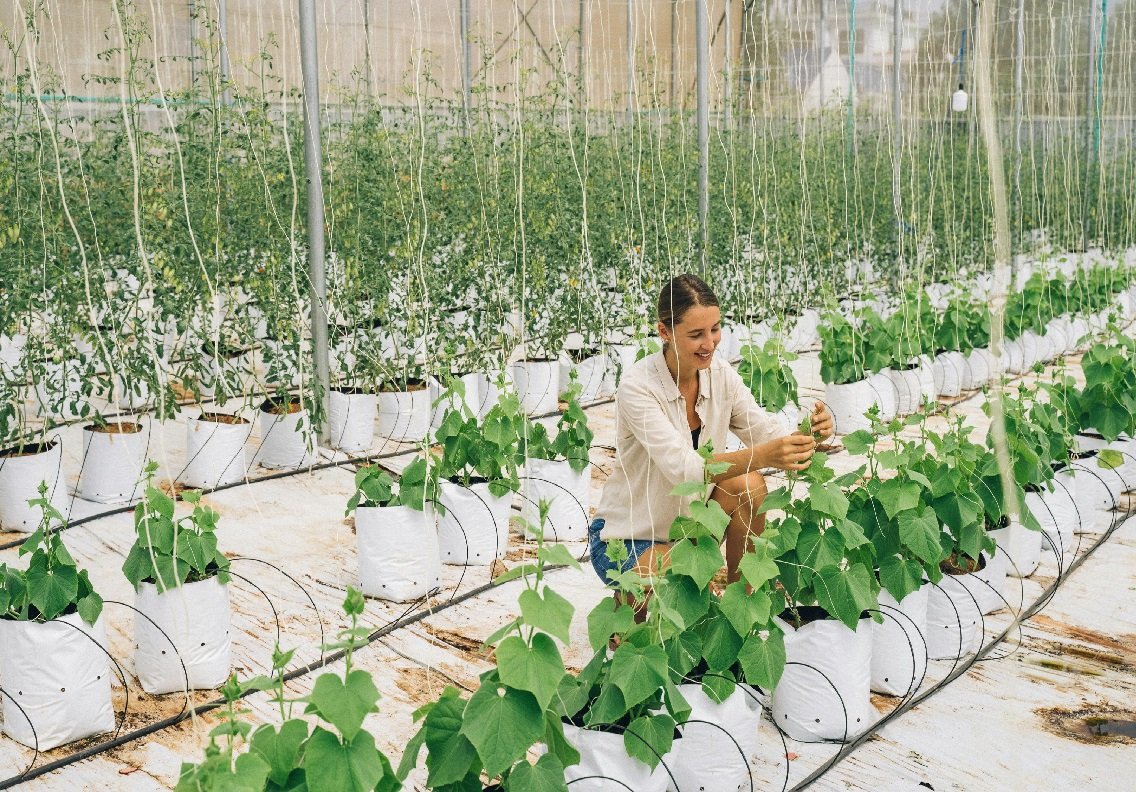
In the world of sustainable agriculture, cows are not just providers of milk and meat; they also play a crucial role in the production of organic fertilizers. Organic fertilizers are substances that improve soil structure, provide essential nutrients to plants, and promote healthier crop growth without relying on synthetic chemicals. By leveraging the natural biological processes of cows, farmers can create a closed-loop system that benefits both their livestock and their crops. One of the key ways in which cows contribute to the production of organic fertilizers is through their manure. cow manure is a rich source of organic matter, nitrogen, phosphorus, and potassium – all essential nutrients for plant growth. When properly composted, cow manure becomes a nutrient-dense fertilizer that can be used to improve soil fertility and enhance crop yield. Additionally, the presence of beneficial microorganisms in cow manure helps to maintain soil health and promote a thriving ecosystem underground. Another way in which cows support the production of organic fertilizers is through their role in rotational grazing systems. Rotational grazing involves moving cows to different paddocks or pastures on a regular basis, allowing grasslands to rest and recover between grazing periods. As cows graze, they deposit organic matter onto the ground in the form of manure, which helps to replenish vital nutrients in the soil. This natural fertilization process not only benefits the current pasture but also sets the stage for healthier grass growth in the future. Furthermore, cows can also facilitate the production of organic fertilizers through the use of biodynamic farming practices. Biodynamic farming is a holistic approach to agriculture that views the farm as a living organism, where all aspects of the operation are interconnected and in balance. In biodynamic farming, cows are often utilized to create special preparations that are added to compost heaps to enhance the nutrient content and microbial activity of the compost. These preparations harness the natural energies of the farm and help to create a potent organic fertilizer that fosters vibrant plant growth. In conclusion, the relationship between cows and organic fertilizers showcases the beauty of sustainable farming practices. By harnessing the innate abilities of cows to recycle nutrients and support soil health, farmers can cultivate bountiful harvests while minimizing their environmental impact. As we strive towards a more sustainable agricultural future, integrating cows into organic fertilizer production is a winning strategy for both the farm and the planet.
Leave a Comment:
SEARCH
Recent News
- Zurich, Switzerland has long been known for its exceptional quality of life, beautiful surroundings, and high standard of healthcare. In contrast, the Russian healthcare system has faced various challenges and struggles over the years. Let's delve into the differences between the healthcare systems in Zurich, Switzerland, and Russia.
- Zurich, Switzerland is known for its stunning landscapes, rich history, and vibrant culture. However, another aspect of Zurich that shouldn't be overlooked is its diverse and delicious fast food scene. From traditional Swiss street food to international favorites, there is something to satisfy every craving in Zurich. Let's take a closer look at some of the popular fast food options you can find in this picturesque city.
- Zurich, Switzerland is known for its commitment to sustainability and eco-friendly practices, including the use of organic fertilizers in agriculture. Organic fertilizers are derived from natural sources such as compost, manure, and other plant and animal-based materials. These fertilizers provide essential nutrients to crops without the use of synthetic chemicals, making them safer for the environment and human health.
- Navigating Medical Device Regulations in Zurich, Switzerland
- Zurich, Switzerland is a vibrant city known for its stunning architecture, picturesque landscapes, and diverse culinary scene. While Swiss cuisine certainly holds a special place in the hearts of many locals and visitors, the city also boasts a variety of international dining options, including Latin American food.
- In the bustling city of Zurich, Switzerland, finding healthy fast food options can be a challenge. However, with a little exploration and curiosity, you can discover some fantastic spots that offer nutritious and delicious meals on the go.
- Zurich, Switzerland: Halal Food Certification
- Zurich, Switzerland: A Closer Look at Food Export-Import Regulations
READ MORE
10 months ago Category :

Zurich, Switzerland has long been known for its exceptional quality of life, beautiful surroundings, and high standard of healthcare. In contrast, the Russian healthcare system has faced various challenges and struggles over the years. Let's delve into the differences between the healthcare systems in Zurich, Switzerland, and Russia.
Read More →10 months ago Category :

Zurich, Switzerland is known for its stunning landscapes, rich history, and vibrant culture. However, another aspect of Zurich that shouldn't be overlooked is its diverse and delicious fast food scene. From traditional Swiss street food to international favorites, there is something to satisfy every craving in Zurich. Let's take a closer look at some of the popular fast food options you can find in this picturesque city.
Read More →10 months ago Category :

Zurich, Switzerland is known for its commitment to sustainability and eco-friendly practices, including the use of organic fertilizers in agriculture. Organic fertilizers are derived from natural sources such as compost, manure, and other plant and animal-based materials. These fertilizers provide essential nutrients to crops without the use of synthetic chemicals, making them safer for the environment and human health.
Read More →10 months ago Category :
