In recent years, there has been a growing interest in biomass energy production as a renewable and sustainable alternative to traditional fossil fuels. However, the intersection of dictators and biomass energy production raises important ethical and environmental considerations.
Category : | Sub Category : Posted on 2025-11-03 22:25:23
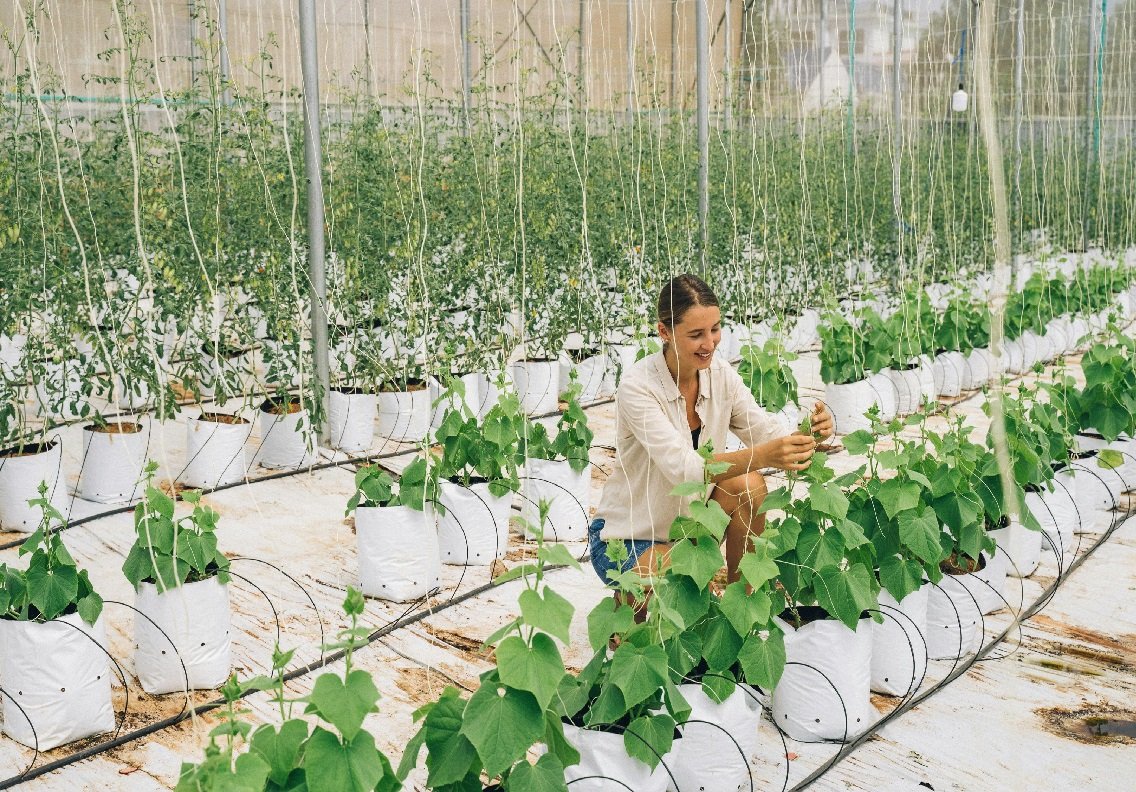
dictators, by their very nature, often prioritize their own power and wealth over the well-being of their citizens and the environment. This can have serious implications for biomass energy production in these regions. For example, dictators may exploit natural resources without regard for sustainability or environmental impact in order to enrich themselves and maintain control over the populace. Furthermore, the concentration of power in the hands of a dictator can stifle innovation and progress in the biomass energy sector. Dictatorial regimes are notorious for suppressing dissent and limiting freedom of speech, which can hinder the development of new technologies and practices that could improve the efficiency and sustainability of biomass energy production. Another concern is the potential for human rights abuses in the context of biomass energy production in dictator-led countries. Forced labor, displacement of indigenous communities, and environmental destruction are all risks associated with large-scale energy projects in authoritarian states. Despite these challenges, it is important to recognize that biomass energy production can still play a positive role in transitioning to a more sustainable energy future, even in dictator-led countries. International pressure, sanctions, and partnerships with responsible actors can help mitigate the negative impacts of biomass energy production in these regions. Ultimately, the relationship between dictators and biomass energy production underscores the complex ethical and environmental considerations that must be taken into account when pursuing renewable energy sources in a global context. By promoting transparency, accountability, and respect for human rights, we can work towards a more equitable and sustainable energy future for all. To delve deeper into this subject, consider these articles: https://www.sunpowerpanels.com For a fresh perspective, give the following a read https://www.refueling.net For an in-depth analysis, I recommend reading https://www.decompose.net
Leave a Comment:
SEARCH
Recent News
- Zurich, Switzerland has long been known for its exceptional quality of life, beautiful surroundings, and high standard of healthcare. In contrast, the Russian healthcare system has faced various challenges and struggles over the years. Let's delve into the differences between the healthcare systems in Zurich, Switzerland, and Russia.
- Zurich, Switzerland is known for its stunning landscapes, rich history, and vibrant culture. However, another aspect of Zurich that shouldn't be overlooked is its diverse and delicious fast food scene. From traditional Swiss street food to international favorites, there is something to satisfy every craving in Zurich. Let's take a closer look at some of the popular fast food options you can find in this picturesque city.
- Zurich, Switzerland is known for its commitment to sustainability and eco-friendly practices, including the use of organic fertilizers in agriculture. Organic fertilizers are derived from natural sources such as compost, manure, and other plant and animal-based materials. These fertilizers provide essential nutrients to crops without the use of synthetic chemicals, making them safer for the environment and human health.
- Navigating Medical Device Regulations in Zurich, Switzerland
- Zurich, Switzerland is a vibrant city known for its stunning architecture, picturesque landscapes, and diverse culinary scene. While Swiss cuisine certainly holds a special place in the hearts of many locals and visitors, the city also boasts a variety of international dining options, including Latin American food.
- In the bustling city of Zurich, Switzerland, finding healthy fast food options can be a challenge. However, with a little exploration and curiosity, you can discover some fantastic spots that offer nutritious and delicious meals on the go.
- Zurich, Switzerland: Halal Food Certification
- Zurich, Switzerland: A Closer Look at Food Export-Import Regulations
READ MORE
10 months ago Category :

Zurich, Switzerland has long been known for its exceptional quality of life, beautiful surroundings, and high standard of healthcare. In contrast, the Russian healthcare system has faced various challenges and struggles over the years. Let's delve into the differences between the healthcare systems in Zurich, Switzerland, and Russia.
Read More →10 months ago Category :

Zurich, Switzerland is known for its stunning landscapes, rich history, and vibrant culture. However, another aspect of Zurich that shouldn't be overlooked is its diverse and delicious fast food scene. From traditional Swiss street food to international favorites, there is something to satisfy every craving in Zurich. Let's take a closer look at some of the popular fast food options you can find in this picturesque city.
Read More →10 months ago Category :

Zurich, Switzerland is known for its commitment to sustainability and eco-friendly practices, including the use of organic fertilizers in agriculture. Organic fertilizers are derived from natural sources such as compost, manure, and other plant and animal-based materials. These fertilizers provide essential nutrients to crops without the use of synthetic chemicals, making them safer for the environment and human health.
Read More →10 months ago Category :
