In today's globalized world, the food industry plays a crucial role in international trade. The exchange of food products through export and import activities has become a common practice among nations, allowing for a diverse range of culinary experiences and goods to be enjoyed worldwide. However, this process is not without its downsides, particularly when it comes to the environmental impact of food export-import activities on pollution control.
Category : | Sub Category : Posted on 2025-11-03 22:25:23
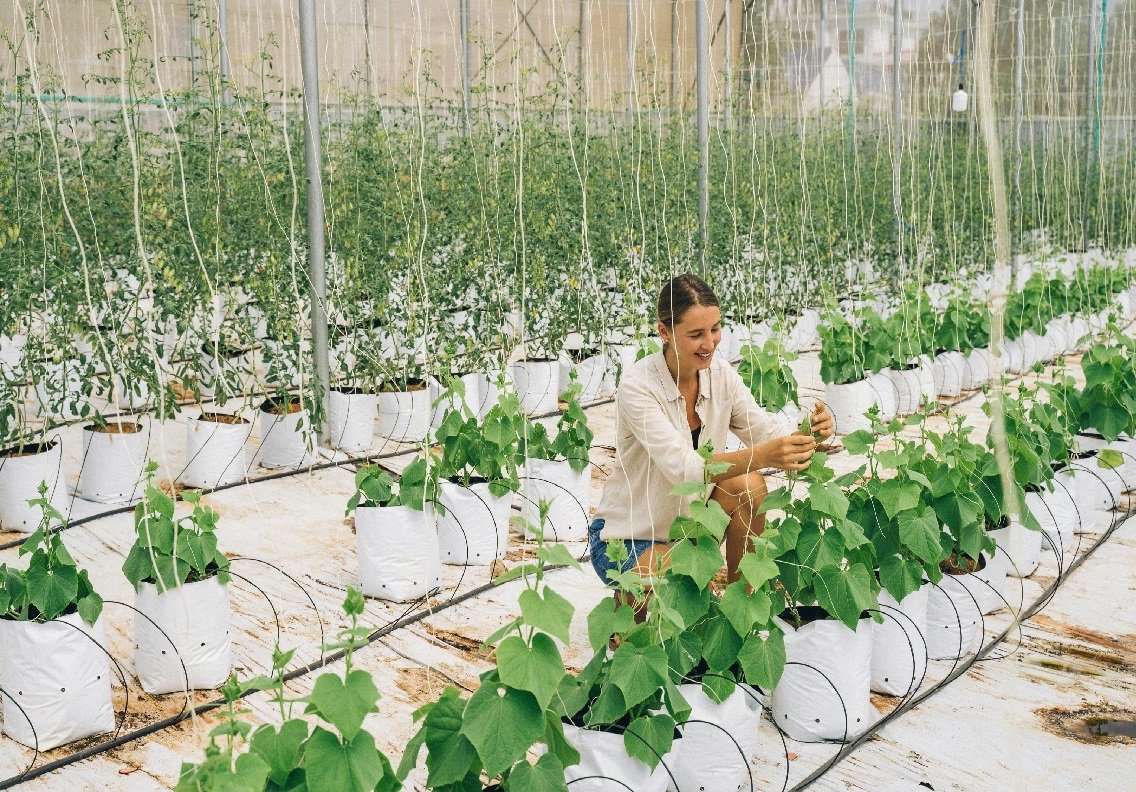
The transportation of food products across borders involves the use of various modes of transportation, including ships, trucks, and planes. These modes of transportation rely heavily on fossil fuels, which contribute to greenhouse gas emissions and air pollution. The increased carbon footprint associated with long-distance food transportation is a significant concern for pollution control efforts, as it leads to the degradation of air quality and exacerbates climate change. Additionally, the production of food for export can also have detrimental effects on the environment. Large-scale farming practices often involve the use of pesticides, fertilizers, and other chemicals that can contaminate soil and water sources. The intensive farming methods used to meet the demand for exported food can also lead to deforestation, habitat destruction, and biodiversity loss, further contributing to environmental degradation. To address the pollution control challenges associated with food export-import activities, both governments and businesses need to take proactive measures to reduce the environmental impact of the food supply chain. This can include investing in more sustainable transportation methods, such as electric vehicles and renewable energy sources, to reduce emissions from food transportation. Implementing organic farming practices and promoting local food production can also help minimize the environmental footprint of food exports. Consumers can also play a role in promoting pollution control in the food industry by making conscious choices about the food they consume. Choosing locally sourced and seasonal foods, reducing food waste, and supporting businesses that prioritize sustainability can all contribute to reducing the environmental impact of food export-import activities. In conclusion, while food export-import activities play a vital role in global trade and cultural exchange, it is important to consider the environmental consequences of these activities on pollution control. By adopting more sustainable practices and making informed choices about the food we consume, we can work towards a more environmentally friendly and sustainable food system for the future. Seeking more information? The following has you covered. https://www.nerdcook.com To see the full details, click on: https://www.indianspecialty.com To delve deeper into this subject, consider these articles: https://www.bestindianfoods.com Discover new insights by reading https://www.deleci.com also for more https://www.adriaticfood.com Have a look at https://www.alienvegan.com To delve deeper into this subject, consider these articles: https://www.childnut.com Want to know more? Don't forget to read: https://www.cfruits.com For a fresh perspective, give the following a read https://www.topinduction.com To learn more, take a look at: https://www.foxysweet.com To understand this better, read https://www.eatnaturals.com Seeking expert advice? Find it in https://www.biofitnesslab.com Here is the following website to check: https://www.swiss-cuisine.com For a fresh perspective, give the following a read https://www.mimidate.com Looking for more information? Check out https://www.huevo.org If you are interested you can check the following website https://www.digestible.org For a closer look, don't forget to read https://www.vacas.net Don't miss more information at https://www.agriculturist.org Find expert opinions in https://www.cheffy.org Uncover valuable insights in https://www.loseweighton.com To see the full details, click on: https://www.stomachs.org Uncover valuable insights in https://www.yemekleri.org If you're interested in this topic, I suggest reading https://www.salting.org If you are enthusiast, check the following link https://www.instan.net To learn more, take a look at: https://www.makanan.org Discover more about this topic through https://www.nafdac.org also click the following link for more https://www.gustar.net
Leave a Comment:
SEARCH
Recent News
- Zurich, Switzerland has long been known for its exceptional quality of life, beautiful surroundings, and high standard of healthcare. In contrast, the Russian healthcare system has faced various challenges and struggles over the years. Let's delve into the differences between the healthcare systems in Zurich, Switzerland, and Russia.
- Zurich, Switzerland is known for its stunning landscapes, rich history, and vibrant culture. However, another aspect of Zurich that shouldn't be overlooked is its diverse and delicious fast food scene. From traditional Swiss street food to international favorites, there is something to satisfy every craving in Zurich. Let's take a closer look at some of the popular fast food options you can find in this picturesque city.
- Zurich, Switzerland is known for its commitment to sustainability and eco-friendly practices, including the use of organic fertilizers in agriculture. Organic fertilizers are derived from natural sources such as compost, manure, and other plant and animal-based materials. These fertilizers provide essential nutrients to crops without the use of synthetic chemicals, making them safer for the environment and human health.
- Navigating Medical Device Regulations in Zurich, Switzerland
- Zurich, Switzerland is a vibrant city known for its stunning architecture, picturesque landscapes, and diverse culinary scene. While Swiss cuisine certainly holds a special place in the hearts of many locals and visitors, the city also boasts a variety of international dining options, including Latin American food.
- In the bustling city of Zurich, Switzerland, finding healthy fast food options can be a challenge. However, with a little exploration and curiosity, you can discover some fantastic spots that offer nutritious and delicious meals on the go.
- Zurich, Switzerland: Halal Food Certification
- Zurich, Switzerland: A Closer Look at Food Export-Import Regulations
READ MORE
10 months ago Category :

Zurich, Switzerland has long been known for its exceptional quality of life, beautiful surroundings, and high standard of healthcare. In contrast, the Russian healthcare system has faced various challenges and struggles over the years. Let's delve into the differences between the healthcare systems in Zurich, Switzerland, and Russia.
Read More →10 months ago Category :

Zurich, Switzerland is known for its stunning landscapes, rich history, and vibrant culture. However, another aspect of Zurich that shouldn't be overlooked is its diverse and delicious fast food scene. From traditional Swiss street food to international favorites, there is something to satisfy every craving in Zurich. Let's take a closer look at some of the popular fast food options you can find in this picturesque city.
Read More →10 months ago Category :

Zurich, Switzerland is known for its commitment to sustainability and eco-friendly practices, including the use of organic fertilizers in agriculture. Organic fertilizers are derived from natural sources such as compost, manure, and other plant and animal-based materials. These fertilizers provide essential nutrients to crops without the use of synthetic chemicals, making them safer for the environment and human health.
Read More →10 months ago Category :
