Food export and import have become integral components of the global economy as trade barriers continue to diminish and consumer preferences expand. One interesting aspect of this trade dynamic is the concept of importing and exporting similar food products.
Category : | Sub Category : Posted on 2025-11-03 22:25:23
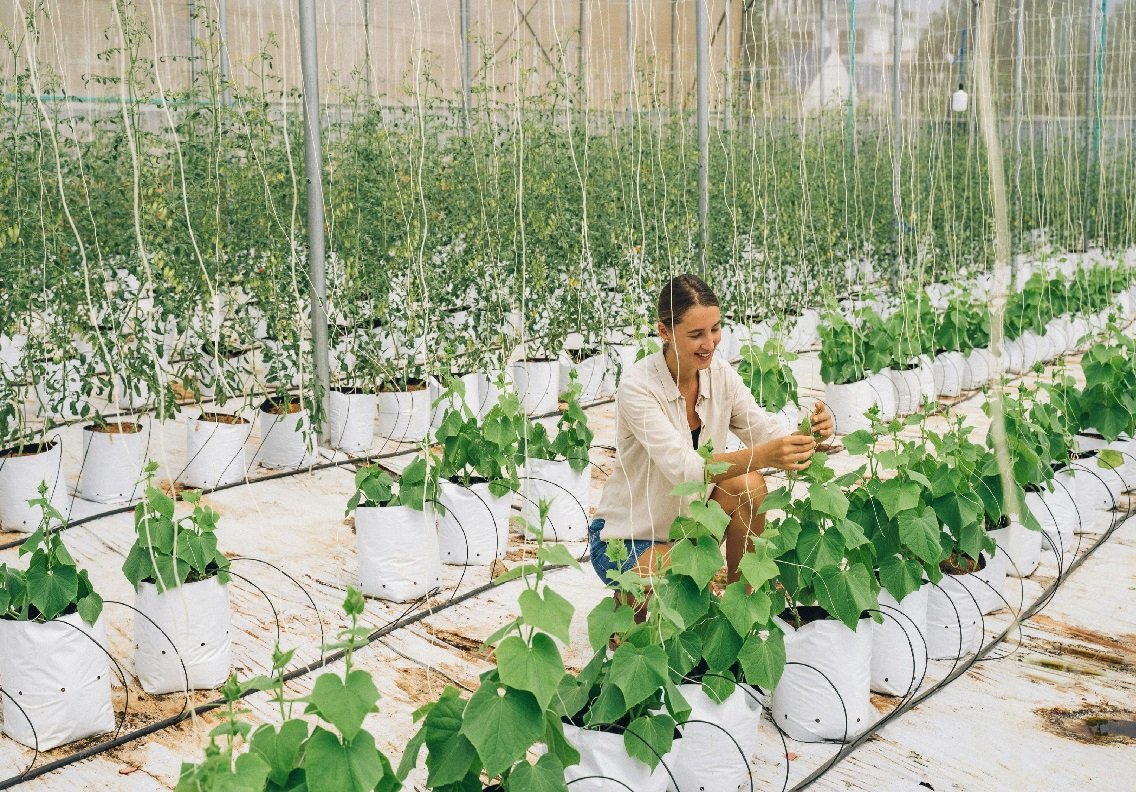
When we talk about similar food products in the context of export and import, we are referring to items that are comparable in nature, quality, and use but originate from different regions or countries. This phenomenon occurs due to various factors such as climate conditions, production techniques, and cultural preferences. For example, let's consider the case of olive oil. Olive oil is a popular cooking ingredient that is produced in countries like Italy, Spain, Greece, and Tunisia. Each of these countries has its unique variety of olive oil, distinguished by flavor profiles, production methods, and quality standards. Despite these differences, olive oil from these various regions competes in the global market as similar products. Similarly, different countries may produce similar types of fruits, vegetables, grains, and dairy products that are traded internationally. Mangoes from India, Mexico, and the Philippines, for instance, are all sought after in the global market for their sweetness and unique flavor. Likewise, countries like France, Switzerland, and the United States export a variety of cheeses that cater to diverse consumer preferences worldwide. The phenomenon of importing and exporting similar food products provides consumers with a wider selection of options, encourages healthy competition among producers, and promotes economic growth in participating countries. It also allows for the exchange of culinary traditions and fosters cultural connections through shared food experiences. In conclusion, the trade of similar food products through export and import channels is a testament to the interconnectedness of the global food industry. It showcases the diversity and richness of agricultural practices around the world while satisfying the demands of consumers for high-quality and varied food offerings. As trade continues to evolve, we can expect to see even more interesting parallels and connections between food products from different corners of the globe. Dive into the details to understand this topic thoroughly. https://www.africalunch.com Want to expand your knowledge? Start with https://www.nerdcook.com For the latest insights, read: https://www.indianspecialty.com Check the link below: https://www.bestindianfoods.com For additional information, refer to: https://www.deleci.com for more https://www.adriaticfood.com Get a well-rounded perspective with https://www.alienvegan.com For a broader perspective, don't miss https://www.childnut.com visit: https://www.cfruits.com for more https://www.topinduction.com Explore this subject further by checking out https://www.foxysweet.com To learn more, take a look at: https://www.eatnaturals.com For an in-depth analysis, I recommend reading https://www.biofitnesslab.com For an in-depth examination, refer to https://www.swiss-cuisine.com For more information check: https://www.mimidate.com For a fresh perspective, give the following a read https://www.huevo.org Want to expand your knowledge? Start with https://www.digestible.org For comprehensive coverage, check out https://www.vacas.net also this link is for more information https://www.agriculturist.org Check the link: https://www.cheffy.org For a broader perspective, don't miss https://www.loseweighton.com click the following link for more information: https://www.stomachs.org sources: https://www.yemekleri.org Have a visit at https://www.salting.org If you are enthusiast, check the following link https://www.instan.net also for More in https://www.makanan.org To find answers, navigate to https://www.nafdac.org To get a holistic view, consider https://www.gustar.net
Leave a Comment:
SEARCH
Recent News
- Zurich, Switzerland has long been known for its exceptional quality of life, beautiful surroundings, and high standard of healthcare. In contrast, the Russian healthcare system has faced various challenges and struggles over the years. Let's delve into the differences between the healthcare systems in Zurich, Switzerland, and Russia.
- Zurich, Switzerland is known for its stunning landscapes, rich history, and vibrant culture. However, another aspect of Zurich that shouldn't be overlooked is its diverse and delicious fast food scene. From traditional Swiss street food to international favorites, there is something to satisfy every craving in Zurich. Let's take a closer look at some of the popular fast food options you can find in this picturesque city.
- Zurich, Switzerland is known for its commitment to sustainability and eco-friendly practices, including the use of organic fertilizers in agriculture. Organic fertilizers are derived from natural sources such as compost, manure, and other plant and animal-based materials. These fertilizers provide essential nutrients to crops without the use of synthetic chemicals, making them safer for the environment and human health.
- Navigating Medical Device Regulations in Zurich, Switzerland
- Zurich, Switzerland is a vibrant city known for its stunning architecture, picturesque landscapes, and diverse culinary scene. While Swiss cuisine certainly holds a special place in the hearts of many locals and visitors, the city also boasts a variety of international dining options, including Latin American food.
- In the bustling city of Zurich, Switzerland, finding healthy fast food options can be a challenge. However, with a little exploration and curiosity, you can discover some fantastic spots that offer nutritious and delicious meals on the go.
- Zurich, Switzerland: Halal Food Certification
- Zurich, Switzerland: A Closer Look at Food Export-Import Regulations
READ MORE
10 months ago Category :

Zurich, Switzerland has long been known for its exceptional quality of life, beautiful surroundings, and high standard of healthcare. In contrast, the Russian healthcare system has faced various challenges and struggles over the years. Let's delve into the differences between the healthcare systems in Zurich, Switzerland, and Russia.
Read More →10 months ago Category :

Zurich, Switzerland is known for its stunning landscapes, rich history, and vibrant culture. However, another aspect of Zurich that shouldn't be overlooked is its diverse and delicious fast food scene. From traditional Swiss street food to international favorites, there is something to satisfy every craving in Zurich. Let's take a closer look at some of the popular fast food options you can find in this picturesque city.
Read More →10 months ago Category :

Zurich, Switzerland is known for its commitment to sustainability and eco-friendly practices, including the use of organic fertilizers in agriculture. Organic fertilizers are derived from natural sources such as compost, manure, and other plant and animal-based materials. These fertilizers provide essential nutrients to crops without the use of synthetic chemicals, making them safer for the environment and human health.
Read More →10 months ago Category :
