Ensuring food safety while also conserving wildlife is a delicate balance that is crucial for the health of our planet and all living beings. The way we produce, handle, and consume food has a direct impact on both human health and the well-being of wildlife populations around the world. By understanding the connection between food safety and wildlife conservation, we can make more informed choices to protect both.
Category : | Sub Category : Posted on 2025-11-03 22:25:23
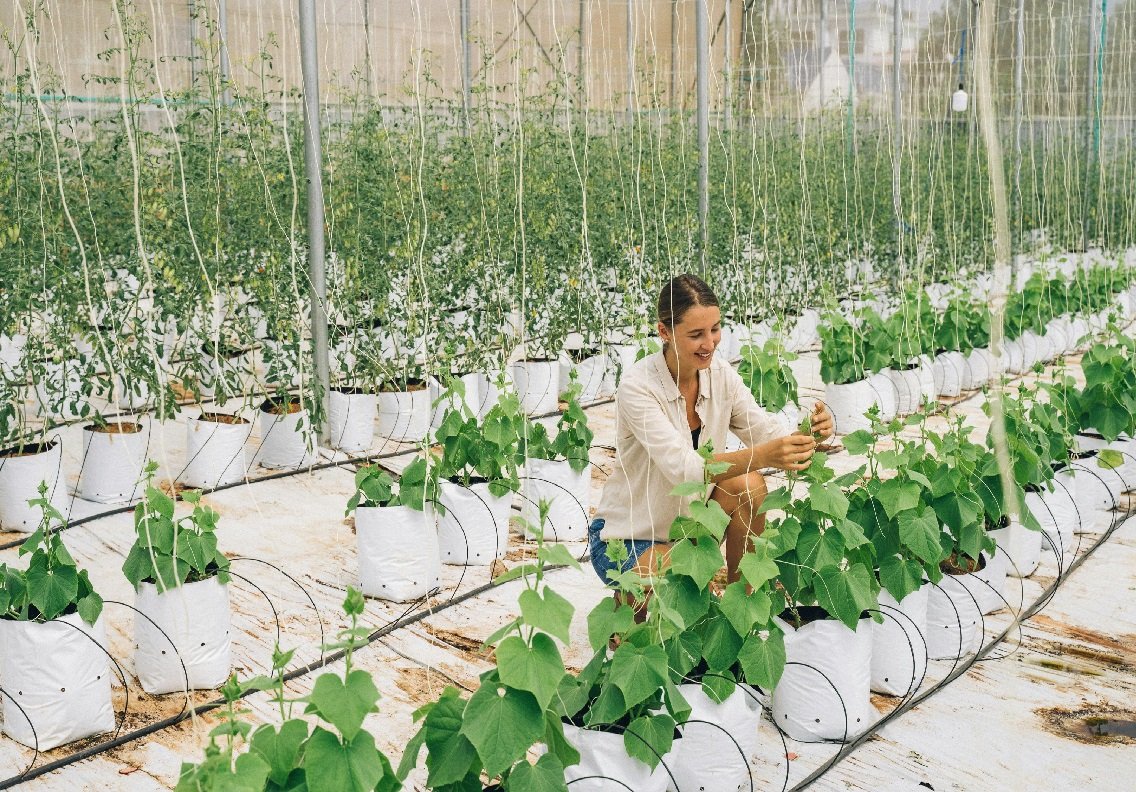
One of the key ways in which food safety and wildlife conservation intersect is through the use of pesticides and other agricultural chemicals. While these substances help to protect crops from pests and disease, they can also have negative effects on wildlife populations. Pesticides can contaminate water sources, harm non-target species, and disrupt ecosystems. By using organic and sustainable farming practices, we can reduce our reliance on harmful chemicals and create a healthier environment for both humans and wildlife. Another important aspect of food safety and wildlife conservation is the sustainable sourcing of ingredients. Many food products, such as palm oil, soy, and seafood, are linked to deforestation, habitat destruction, and overexploitation of wildlife populations. By choosing products that are certified as sustainable by organizations like the Rainforest Alliance or the Marine Stewardship Council, consumers can help protect vital habitats and support wildlife conservation efforts. Proper food storage and handling is also essential for preventing foodborne illnesses and protecting wildlife. Improperly stored food can attract pests such as rodents and insects, which can spread diseases to humans and wildlife alike. By storing food in secure containers and keeping kitchens clean and free of crumbs, we can reduce the risk of contamination and help keep both ourselves and wildlife healthy. In conclusion, food safety and wildlife conservation are interconnected issues that require careful consideration and action. By making sustainable choices in our food production and consumption practices, we can protect both human health and the well-being of wildlife populations. By supporting organic farming, sustainable sourcing, and proper food storage and handling, we can create a healthier and more harmonious world for all beings to thrive. If you're interested in this topic, I suggest reading https://www.indianspecialty.com Have a visit at https://www.bestindianfoods.com For an extensive perspective, read https://www.deleci.com If you're interested in this topic, I suggest reading https://www.adriaticfood.com also for More in https://www.alienvegan.com Seeking more information? The following has you covered. https://www.childnut.com Dropy by for a visit at the following website https://www.cfruits.com You can also Have a visit at https://www.topinduction.com Check this out https://www.foxysweet.com For more information about this: https://www.eatnaturals.com To learn more, take a look at: https://www.biofitnesslab.com You can also check following website for more information about this subject: https://www.swiss-cuisine.com If you are enthusiast, check the following link https://www.mimidate.com Have a look at https://www.huevo.org You can also check following website for more information about this subject: https://www.digestible.org Want to gain insights? Start with https://www.vacas.net More about this subject in https://www.agriculturist.org Have a visit at https://www.cheffy.org also for more info https://www.loseweighton.com For a different angle, consider what the following has to say. https://www.stomachs.org For an alternative viewpoint, explore https://www.yemekleri.org To expand your knowledge, I recommend: https://www.salting.org To find answers, navigate to https://www.instan.net To get all the details, go through https://www.makanan.org For a different take on this issue, see https://www.nafdac.org To get all the details, go through https://www.gustar.net
Leave a Comment:
SEARCH
Recent News
- Zurich, Switzerland has long been known for its exceptional quality of life, beautiful surroundings, and high standard of healthcare. In contrast, the Russian healthcare system has faced various challenges and struggles over the years. Let's delve into the differences between the healthcare systems in Zurich, Switzerland, and Russia.
- Zurich, Switzerland is known for its stunning landscapes, rich history, and vibrant culture. However, another aspect of Zurich that shouldn't be overlooked is its diverse and delicious fast food scene. From traditional Swiss street food to international favorites, there is something to satisfy every craving in Zurich. Let's take a closer look at some of the popular fast food options you can find in this picturesque city.
- Zurich, Switzerland is known for its commitment to sustainability and eco-friendly practices, including the use of organic fertilizers in agriculture. Organic fertilizers are derived from natural sources such as compost, manure, and other plant and animal-based materials. These fertilizers provide essential nutrients to crops without the use of synthetic chemicals, making them safer for the environment and human health.
- Navigating Medical Device Regulations in Zurich, Switzerland
- Zurich, Switzerland is a vibrant city known for its stunning architecture, picturesque landscapes, and diverse culinary scene. While Swiss cuisine certainly holds a special place in the hearts of many locals and visitors, the city also boasts a variety of international dining options, including Latin American food.
- In the bustling city of Zurich, Switzerland, finding healthy fast food options can be a challenge. However, with a little exploration and curiosity, you can discover some fantastic spots that offer nutritious and delicious meals on the go.
- Zurich, Switzerland: Halal Food Certification
- Zurich, Switzerland: A Closer Look at Food Export-Import Regulations
READ MORE
10 months ago Category :

Zurich, Switzerland has long been known for its exceptional quality of life, beautiful surroundings, and high standard of healthcare. In contrast, the Russian healthcare system has faced various challenges and struggles over the years. Let's delve into the differences between the healthcare systems in Zurich, Switzerland, and Russia.
Read More →10 months ago Category :

Zurich, Switzerland is known for its stunning landscapes, rich history, and vibrant culture. However, another aspect of Zurich that shouldn't be overlooked is its diverse and delicious fast food scene. From traditional Swiss street food to international favorites, there is something to satisfy every craving in Zurich. Let's take a closer look at some of the popular fast food options you can find in this picturesque city.
Read More →10 months ago Category :

Zurich, Switzerland is known for its commitment to sustainability and eco-friendly practices, including the use of organic fertilizers in agriculture. Organic fertilizers are derived from natural sources such as compost, manure, and other plant and animal-based materials. These fertilizers provide essential nutrients to crops without the use of synthetic chemicals, making them safer for the environment and human health.
Read More →10 months ago Category :
